

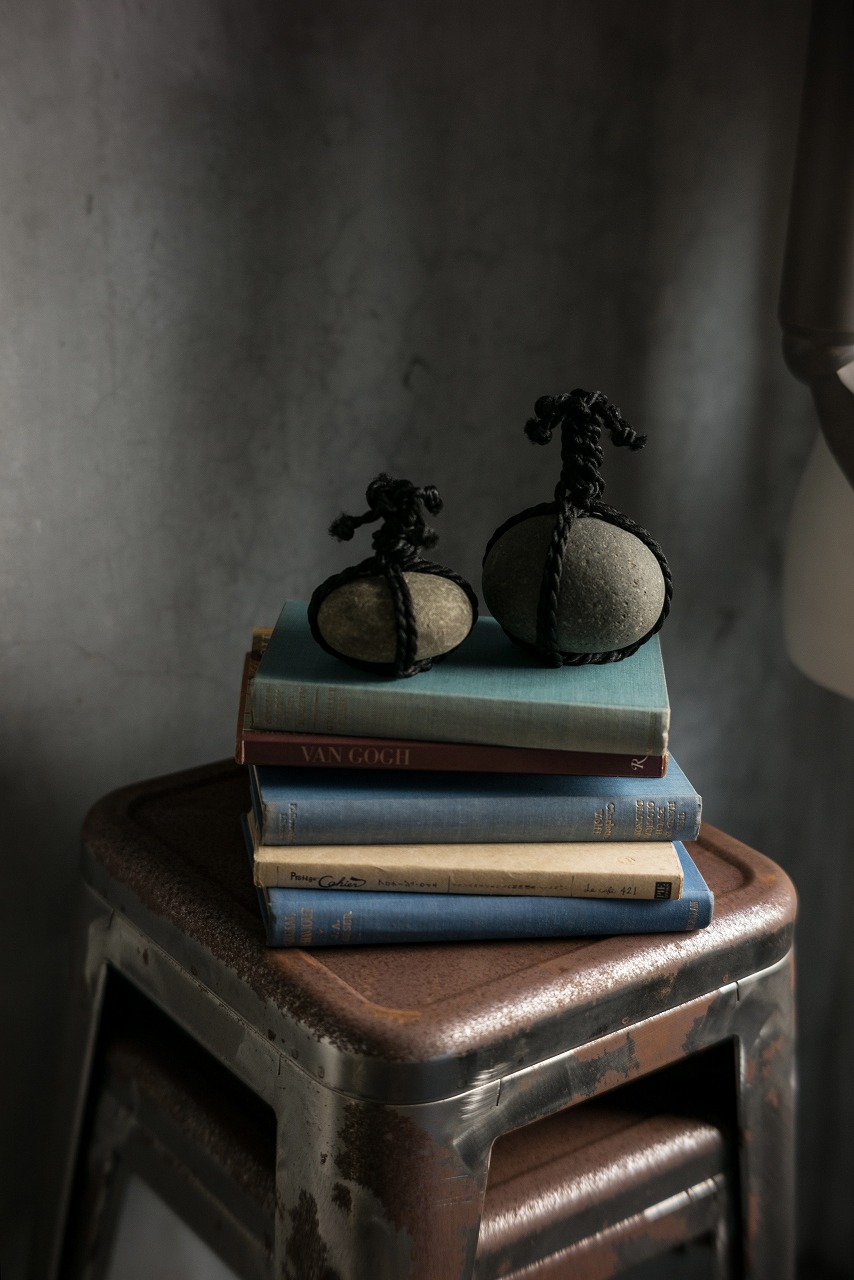
When you walk through a tea garden or a temple garden in Japan, you may come across a small round stone tied crosswise with rope, sitting quietly on a stepping stone. This is a sekimori-ishi (“barrier-keeper stone”). There is no sign and no fence, yet this stone gently but clearly says: “Please do not go beyond this point.”
1. Hospitality without words
The sekimori-ishi is said to be one of the customs nurtured in the world of the tea ceremony. Guests invited to a tea gathering follow the stepping stones of the roji (tea garden) to reach the tea room. Where the path divides, a sekimori-ishi tells them not to continue that way, and they take the other path.
Instead of putting up a sign, the host guides guests with nothing more than a single stone. It does not spoil the scenery, and it never puts a guest in an awkward position. The host trusts the guest to understand without being told. Here we can see the Japanese culture of sassuru—sensing what is left unspoken—and a quiet, understated thoughtfulness.
2. A sacred boundary
The sekimori-ishi also carries the meaning of kekkai, an invisible boundary that separates sacred space from everyday space. Like the shimenawa ropes at Shinto shrines, a stone bound with rope has long been regarded as an auspicious object that keeps the space beyond it pure and protects it from ill fortune.
A single small stone changes the meaning of a whole space. This is the very spirit of the Japanese garden, which seeks to express nature and the universe within a limited area.
3. Rakutei’s sekimori-ishi, made from stones of the Hii River
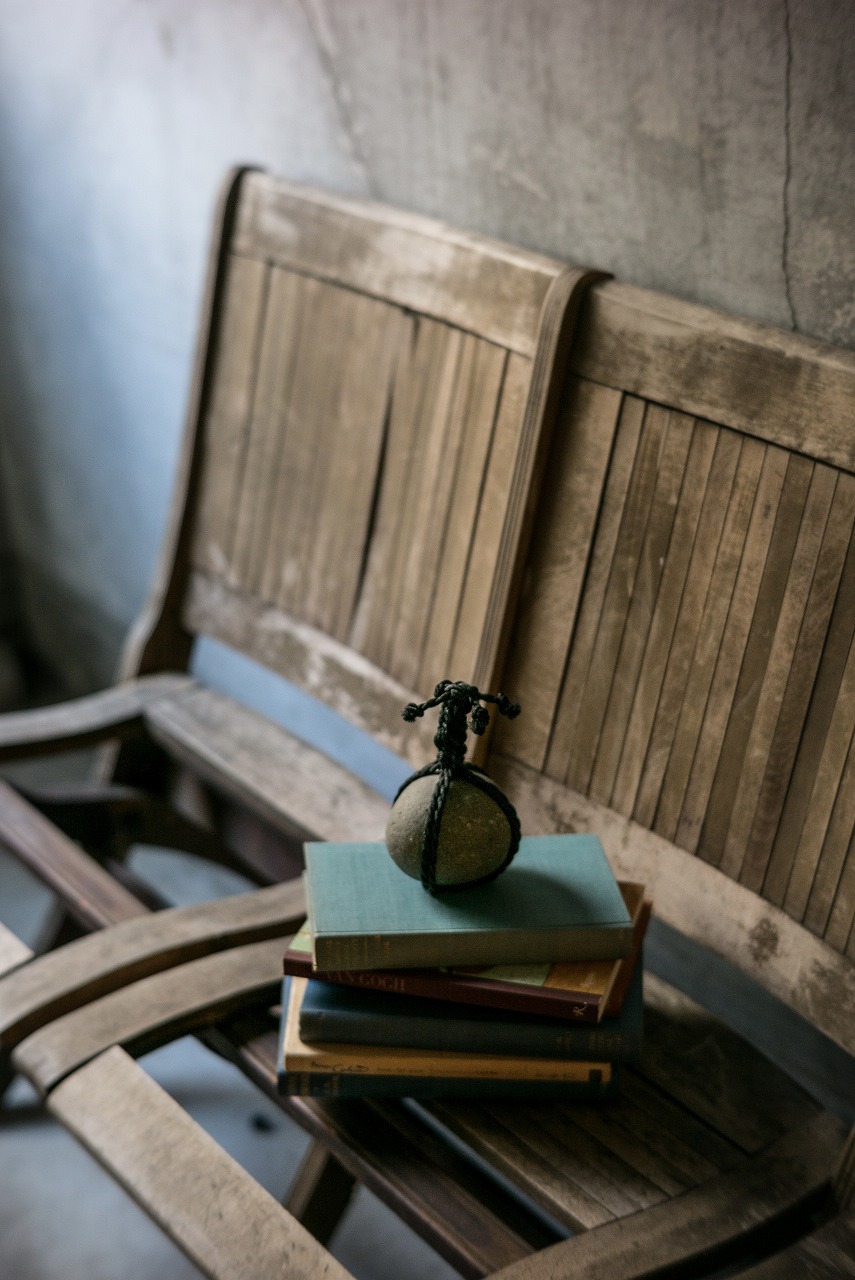
Rakutei’s sekimori-ishi are made from river stones of the Hii River, which flows through Izumo City in Shimane Prefecture. The Hii River is known as the setting of the myth of the slaying of the eight-headed serpent Yamata-no-Orochi. From stones rounded and polished by nature over countless years, we select only those with a beautiful shape, and our craftsmen tie each one by hand with the knot used specifically for sekimori-ishi.
Placed in a garden, it creates a sacred boundary. Displayed in an entrance hall, a tokonoma alcove or on a shelf, it brings a crisp, dignified Japanese atmosphere indoors. As a good-luck charm, as an interior accent, or as a doorway into Japanese culture, it can be enjoyed in many ways.
A small stone on a stepping stone, expressing consideration without words. Why not bring this kind of quiet hospitality into your own home?
▶ See the Sekimori-ishi product page (in Japanese)
